Gifts for Elderly Parents Who Say They Don't Need Anything
By Shivansh Joshi, Founder, Reca · 3 min read · Updated August 27, 2026
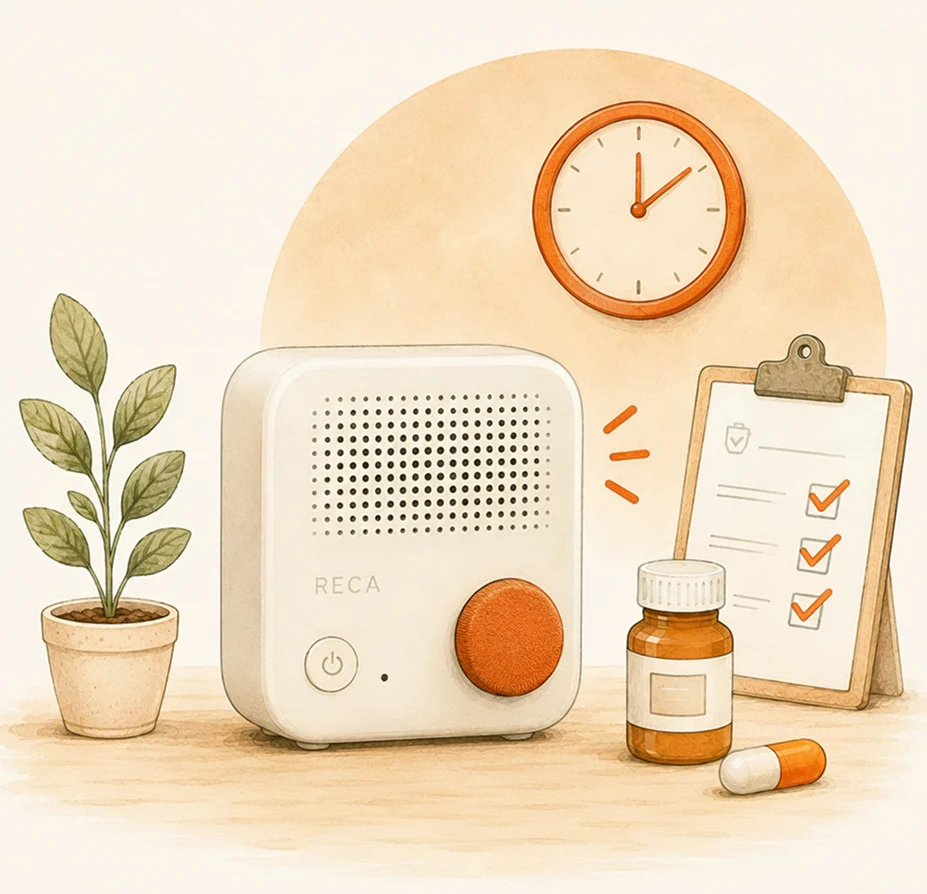
The short answer: “don’t get me anything.” Every adult child has heard it. And mostly, they mean it — older parents have accumulated the stuff, and another candle or sweater just becomes clutter they feel guilty about. So the move isn’t to find a bigger gift. It’s to find a gift that slips into their life so usefully they forget it was a gift at all — or one that carries real meaning rather than mass.
Rule 1: Useful beats novel
The gifts that survive the “I don’t need anything” filter are quietly practical:
- A self-heating mug for the dad who reheats coffee four times a morning.
- A heated throw or cushion for their usual chair.
- Good no-bend slip-on shoes.
- An automatic pill organizer that takes the mental load off remembering doses.
They’ll protest, then use it every single day.
Rule 2: Consumable or experiential beats permanent
No clutter if it gets used up or lived through:
- A monthly delivery of their favorite tea, sweets, or flowers.
- Tickets or an outing you do together.
- A meal subscription or a stocked freezer of foods they love.
Rule 3: Meaning beats mass
These land hardest of all:
- A guided memoir service that turns their life into a printed book for the grandkids.
- A custom photo book of the last few years.
- A voice companion to talk to — for a parent who’s alone more than they admit, this is the gift that quietly changes the texture of the day. (Compare the AI companions for seniors.)
How to actually present it
Framing decides whether a “you don’t need this” gift gets used or shelved. A few things that help:
- Don’t ask permission first. “Would you like a pill organizer?” invites a reflexive no. Just give it, already set up.
- Attach it to a story, not a problem. “I saw this and thought of you” lands better than “I noticed you’ve been forgetting your medicine.”
- Make the first use effortless. Load the photo frame with pictures before gifting it; set up the companion device so it’s already talking, not waiting to be configured.
What “I don’t need anything” often means
Sometimes it’s literal. But sometimes it means “I don’t need objects — I’d just like to feel less alone.” If your parent lives by themselves, that’s worth hearing: India’s Longitudinal Ageing Study found loneliness affects 37% of elders who live alone, nearly triple the rate among elders overall (LASI Wave-1, IIPS). Learn the signs your aging parent is lonely, and consider a gift of daily company over another thing.
That’s the idea behind Reca — a voice companion for Indian elders that’s simply there to talk, every day. Nothing to learn, nothing to dust.
More options in the complete guide to gifts for aging parents.
FAQ
What do you get someone who says they don’t want anything? Something useful they’ll use daily, something consumable that leaves no clutter, or something meaningful like a memoir or companionship. Avoid permanent objects that just sit.
What’s a meaningful gift for elderly parents who have everything? A memoir or photo project, an experience together, or daily companionship. These give something objects can’t.
Why do my parents insist they don’t need anything even when they do? Often it’s less about the object and more about not wanting to feel like a burden or admit a need (help with medicine, company, safety). Reading between the lines matters more than taking the statement literally.
Should I still get a gift if my parent says not to bother? Generally yes, but choose something that solves a real problem quietly rather than something ceremonial. A gift that removes friction from their day tends to get used and appreciated even after an initial “you shouldn’t have.”