Companionship Gifts for Lonely Seniors
By Shivansh Joshi, Founder, Reca · 3 min read · Updated August 27, 2026
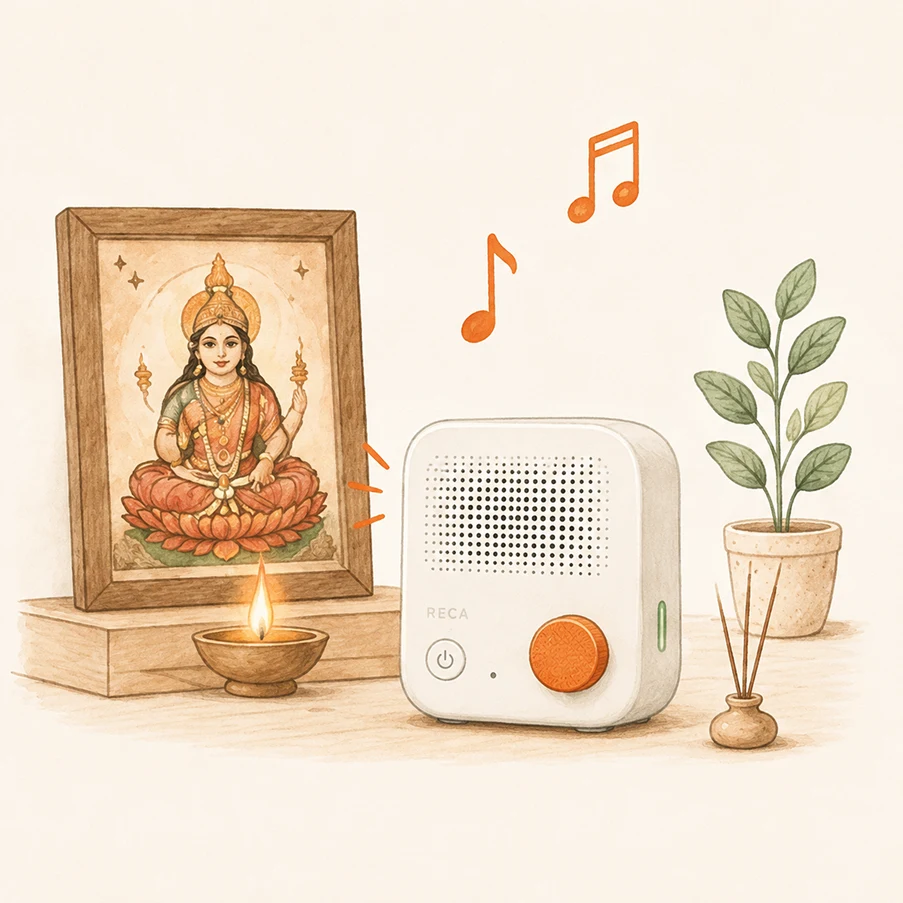
The short answer: when a senior is lonely, the kindest gift isn’t another thing to dust — it’s a bit of company. India’s Longitudinal Ageing Study found loneliness affects roughly 1 in 7 elders overall, rising to 37% among those living alone (LASI Wave-1, IIPS). Below are the gifts that actually warm a quiet day, roughly from simplest to most capable, plus what the research says genuinely moves the needle.
Gifts that bring presence
- A digital photo frame the family feeds. New photos appear daily; it becomes a little window into the lives they love. Conversation starter and comfort in one.
- A robotic companion pet. Realistic cats and dogs that respond to touch and sound — designed for older adults, no feeding or vet bills. Genuinely soothing, especially for those with dementia.
- A one-tap video-calling device. Removes the tech barrier so seeing family is effortless.
- A voice companion they can actually talk to. The most “present” of the bunch: it holds a real conversation, remembers them, and fills the silent hours. (Compare the AI companion devices for seniors.)
Gifts that create connection with others
- A class or club membership aligned with their interests.
- A subscription to a shared activity you do together (a book you both read, a weekly call ritual).
- “Open when…” letters or a set of recorded family messages.
Gifts that comfort
- A weighted blanket for calm and better sleep.
- A worry stone or tactile comfort object.
- A memory book of family photos and stories.
Why “presence” beats “product” here
LASI’s data is specific on this point: loneliness among Indian elders isn’t randomly distributed. It’s concentrated in people who live alone, have limited social networks, or aren’t physically active — not people who lack possessions (LASI Wave-1). That’s a strong hint about what actually helps: the gifts on this list that work are the ones that add contact, not clutter.
Broader research on aging is consistent with this: direct attention and companionship rival any physical gift for easing loneliness. So the best results come from pairing a gift with your presence — a standing call, a visit, grandkids on video. (First, make sure you’re reading the signs of loneliness correctly — it’s easy to miss in a parent who downplays it.)
What to avoid
- One-off gadgets that need setup they won’t maintain. If it requires an app update or account login weekly, it becomes clutter within a month.
- Pets that need real care, unless you’re certain they can manage feeding, walks, and vet visits.
- Anything that arrives once and is never followed up on. A single call after a gift lands does more for loneliness than the gift itself.
For a parent who’s alone most of the day, steady company is the gift that keeps giving. That’s why we built Reca — a voice companion for Indian elders that talks with them in their own language, every day, in the hours you can’t.
More in the complete guide to gifts for aging parents.
FAQ
What is a good companionship gift for a lonely senior? Gifts that bring presence: a family-fed photo frame, a robotic companion pet, an easy video-call device, or a voice companion they can talk to — ideally paired with regular contact from family.
Do robotic pets and AI companions really help loneliness? For many seniors, yes — studies and care programs report reduced self-reported loneliness and anxiety. They work best alongside human connection, not as a replacement for it.
How do I know if my parent is lonely enough to need this? Watch for withdrawal from calls, disinterest in hobbies they used to enjoy, or a home that’s gone quiet. See the full list in signs your aging parent is lonely.
Is a voice companion better than a robotic pet for loneliness? They solve slightly different problems. A robotic pet offers tactile comfort and is especially calming for elders with dementia. A voice companion offers actual conversation and can proactively check in — better suited to a parent who’s cognitively sharp but simply alone for long stretches of the day.